

Transportation Systems
ByteFission approaches transportation systems as essential infrastructure for movement, access, and economic life — where better coordination, stronger intelligence, and more connected systems can shape how the world moves.
Moving people, goods, and services efficiently is one of the foundational requirements of modern society.
Transportation affects how people reach opportunity, how businesses operate,
how cities function, and how entire regions remain connected. When the
systems behind movement are fragmented, inefficient, or unable to adapt to
changing demand, the consequences are felt widely — in time lost, access
limited, costs increased, and momentum slowed.
ByteFission sees transportation as a systems challenge with broad economic and human significance. It is not only about vehicles, routes, or logistics in isolation. It is about the intelligence, coordination, and infrastructure that allow movement to happen more reliably, more efficiently, and with greater relevance to the realities of a changing world.
ByteFission sees transportation as a systems challenge with broad economic and human significance. It is not only about vehicles, routes, or logistics in isolation. It is about the intelligence, coordination, and infrastructure that allow movement to happen more reliably, more efficiently, and with greater relevance to the realities of a changing world.
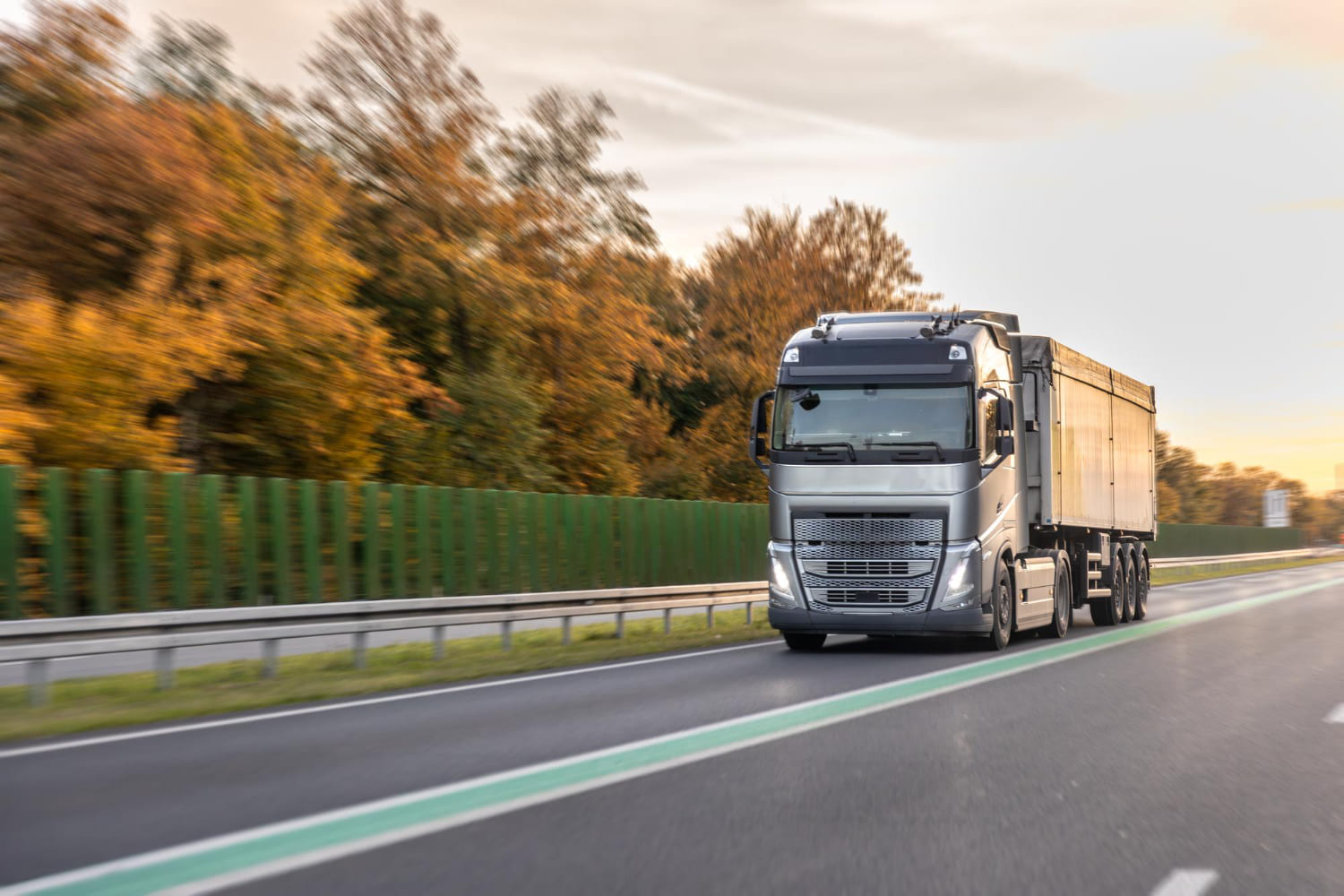

Transportation systems deserve the same seriousness that
other critical infrastructure receives.
As urban populations grow, supply chains become more complex, and mobility
expectations continue to evolve, transportation can no longer be approached
as a collection of disconnected functions. It must be understood as an
interconnected environment where timing, access, information, coordination,
and adaptability all matter at once.
The strongest advances in this space will not come from isolated improvements alone. They will come from systems that make movement more coherent, more responsive, and more aligned with how people and economies actually operate.
For ByteFission, this makes transportation an important field of long-term innovation — one where better infrastructure can create value that is practical, visible, and deeply felt.
The strongest advances in this space will not come from isolated improvements alone. They will come from systems that make movement more coherent, more responsive, and more aligned with how people and economies actually operate.
For ByteFission, this makes transportation an important field of long-term innovation — one where better infrastructure can create value that is practical, visible, and deeply felt.
Our Areas of Focus
Intelligent Mobility
We are interested in systems that improve how movement is coordinated across increasingly complex environments, using intelligence to support better responsiveness, better decisions, and more efficient outcomes.
Connected Infrastructure
Transportation depends on more than vehicles in motion. It depends on the systems around them. We see value in infrastructure that improves communication, coordination, visibility, and the ability of multiple parts of the environment to function with greater unity.
Operational Efficiency
In transportation, small inefficiencies often compound into larger constraints. We are interested in systems that reduce friction, improve timing, strengthen resource allocation, and support more reliable performance across networks of movement.
Access and Reach
Mobility is closely tied to opportunity. We see transportation as an area where better systems can expand access, reduce unnecessary barriers, and help people and services move more effectively across local and broader environments.
Future-Ready Systems
Transportation is changing. The systems that support it must be capable of evolving alongside shifting populations, new technologies, and growing expectations around speed, visibility, and reliability. We are interested in infrastructure designed with that future in mind.
The future of transportation will depend on the quality of the systems behind it.
It will depend on whether infrastructure becomes more connected, whether
coordination becomes more intelligent, and whether the environments responsible
for movement can respond more effectively to the scale and complexity of modern
life.
ByteFission approaches transportation with that understanding.
Not as a peripheral category, but as a serious field of infrastructure, access,
and long-term opportunity — one where better systems can create meaningful
improvement across how people live, work, and move.