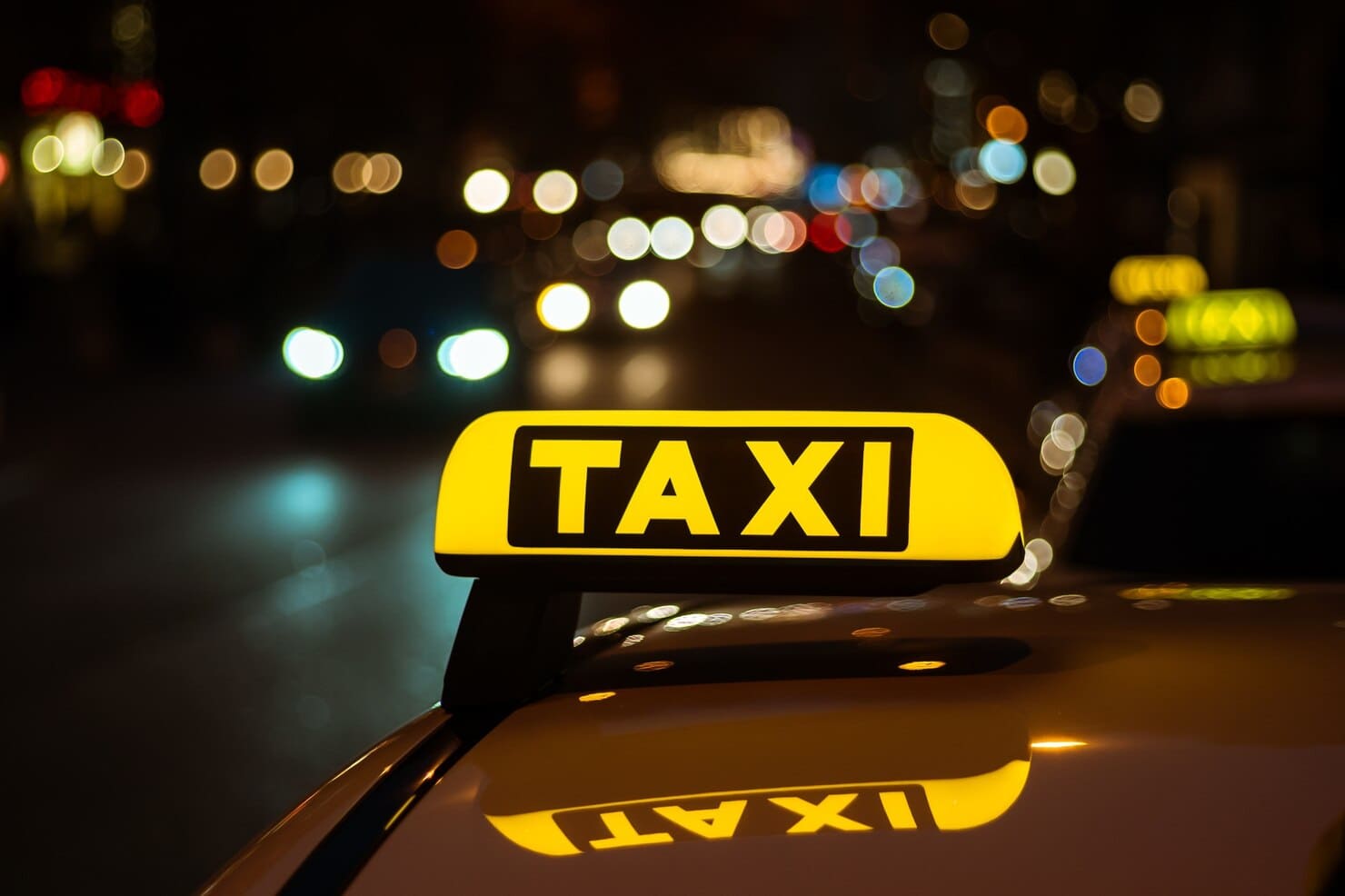

Transportation
Transportation remains one of the defining sectors of modern society, shaping how people move, how economies function, and how access is created across increasingly connected environments.
Transportation is one of the quiet foundations of daily life.
It determines how people reach work, education, healthcare, commerce, and
one another. It affects the movement of goods, the pace of business, the
rhythm of cities, and the reach of opportunity across entire regions. When
transportation systems are efficient, connected, and dependable, they
support growth in ways that are often taken for granted. When they are
fragmented or strained, the consequences spread quickly through everyday
life and economic activity..
For ByteFission, this makes transportation a sector of clear long-term significance..
It is not simply about movement in isolation. It is about the systems that allow movement to happen with greater coordination, greater intelligence, and greater resilience in a world that continues to demand more from the infrastructure behind it.
For ByteFission, this makes transportation a sector of clear long-term significance..
It is not simply about movement in isolation. It is about the systems that allow movement to happen with greater coordination, greater intelligence, and greater resilience in a world that continues to demand more from the infrastructure behind it.
Transportation sits close to both economic life and human experience.
It influences productivity, access, timing, cost, reliability, and the
ability of societies to function with momentum. It shapes whether people can
move through their environments with ease or with unnecessary friction. It
shapes whether businesses can operate efficiently and whether communities
remain connected to wider opportunity.
That is what gives the sector its enduring relevance.
The future of transportation will matter not only because movement must continue, but because the quality of movement increasingly affects everything around it. As populations grow and expectations change, the systems behind transportation will need to become more responsive, more integrated, and more equal to the demands placed upon them.
That is what gives the sector its enduring relevance.
The future of transportation will matter not only because movement must continue, but because the quality of movement increasingly affects everything around it. As populations grow and expectations change, the systems behind transportation will need to become more responsive, more integrated, and more equal to the demands placed upon them.
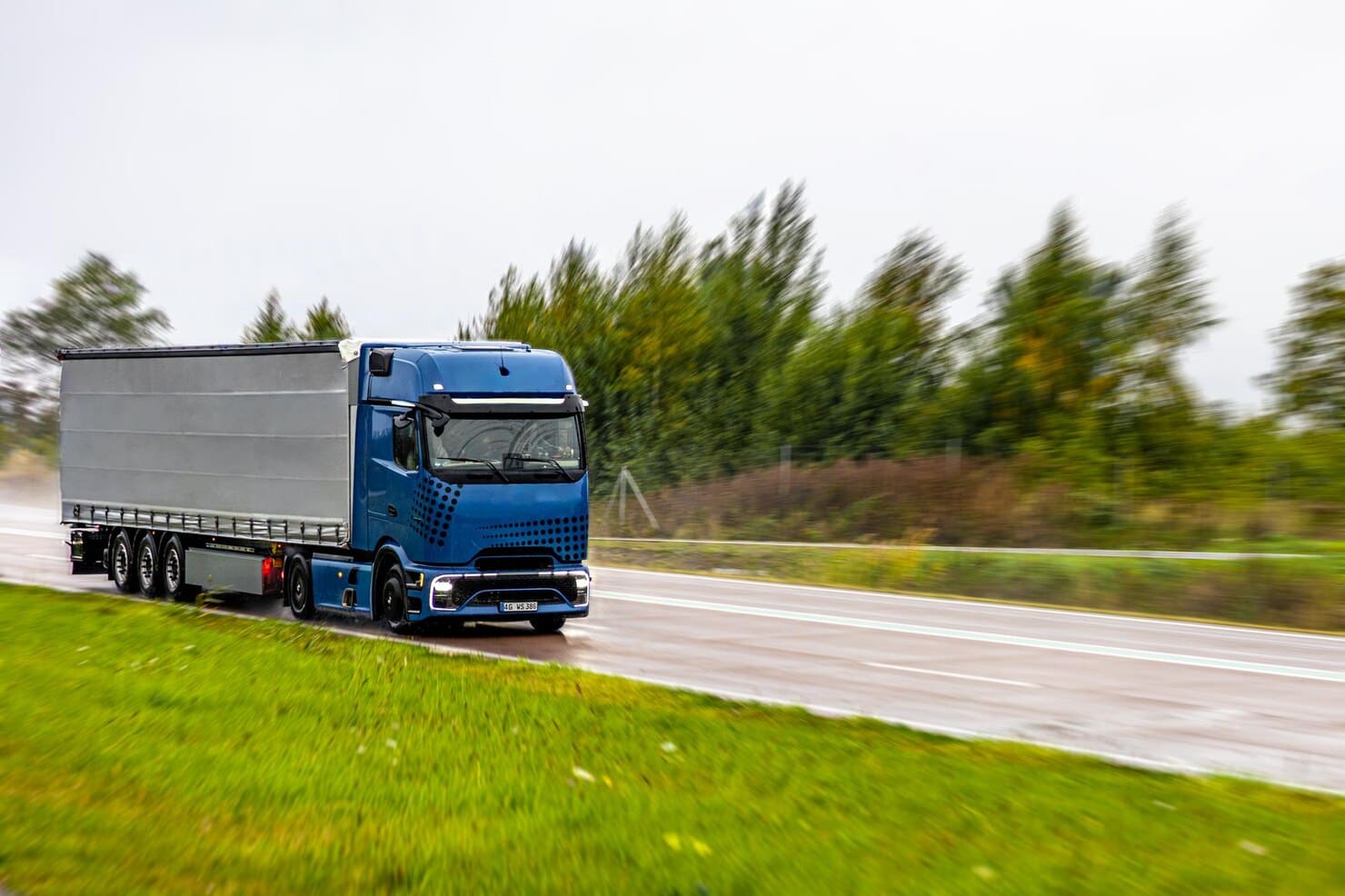
What We See in the Sector
Access and Opportunity
Transportation directly influences who can reach opportunity, how quickly they can do so, and how reliably they can remain connected to essential parts of daily life.
Infrastructure at Scale
The sector depends on systems that can operate across large and dynamic environments. Better infrastructure can create value far beyond the immediate point of movement.
Efficiency and Coordination
Transportation environments improve when timing, information, and operational decisions work together with greater clarity and less fragmentation.
Connected Mobility
The sector is moving toward more integrated models of movement, where systems, services, and environments must communicate and function with greater cohesion.
Long-Term Relevance
Transportation is not a temporary area of interest. It will remain one of the central sectors through which societies organize access, commerce, and everyday life.

ByteFission's Interest
ByteFission is interested in transportation because it is one of the sectors where
better systems can produce broad and immediate practical value.
It is a field where infrastructure matters deeply, where coordination affects real
outcomes, and where stronger system design can improve not only efficiency, but the
lived experience of movement itself. It raises questions that align closely with the
company's broader interests: how systems become more intelligent, how access is
improved, how complexity is managed, and how important environments become more capable
over time.
We see transportation as a serious field of innovation.
It deserves long-term thinking, disciplined execution, and a clear understanding that
better movement supports far more than convenience. It supports economic participation,
social connection, and the quality of daily life across entire communities.
Movement as the Structure of Modern Life
Transportation will remain one of the essential sectors of the future because
movement remains essential to everything built around it.
Its evolution will depend on whether infrastructure becomes more intelligent,
whether systems become more connected, and whether the environments responsible
for movement can better support the complexity and scale of modern life.